By Shanjid Shane 🕒 Jun 15, 2026
Trump Says Ships ‘Starting to Move’ Through Strait of Hormuz as Global Markets Watch Closely

Trump says ships are starting to move through the Strait of Hormuz as a US-Iran agreement takes shape. Here's what it means for oil prices and global trade.
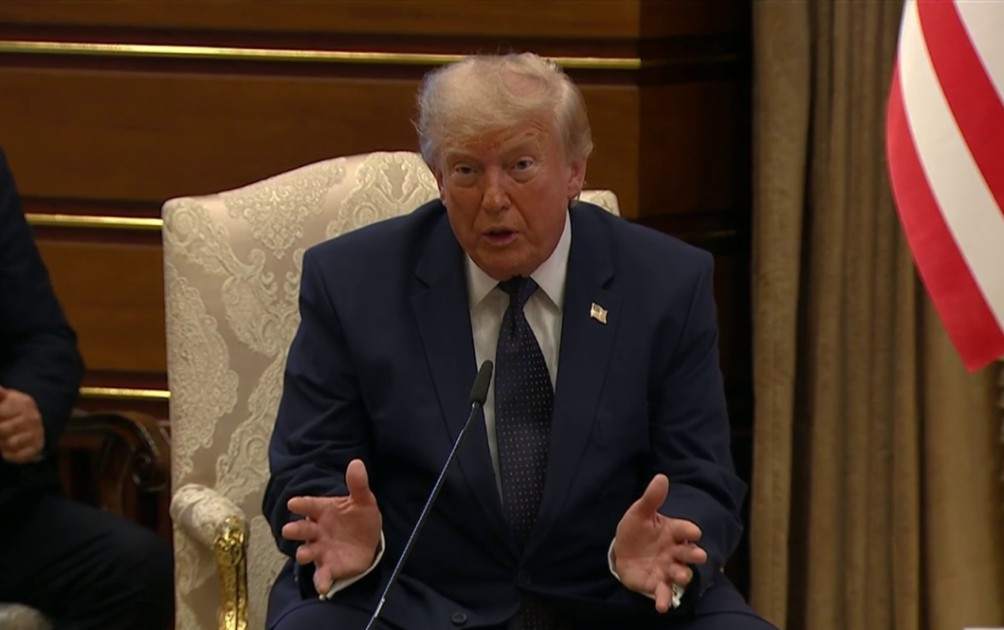
US President Donald Trump said Monday that ships carrying oil were "starting to move" through the Strait of Hormuz, signaling what could be the first signs of recovery in one of the world's most important maritime trade routes after months of disruption.
Trump made the remarks on June 15, 2026, in a post on his social media platform, Truth Social, as the United States and Iran moved closer to implementing a broader agreement aimed at reopening the strategic waterway and reducing tensions in the Middle East.
"The ships are starting to move," Trump said, describing the southern shipping lane through the Strait of Hormuz as safe for commercial traffic.
His comments came as governments, energy markets, and shipping companies closely monitored developments in the Gulf, where disruptions to tanker traffic have raised concerns about global oil supplies and economic stability.
The Strait of Hormuz, located between Iran and Oman, serves as the primary gateway for oil exports from the Persian Gulf. Any interruption to traffic through the narrow passage can have immediate consequences for global energy prices and international trade.
While officials have not yet declared a full return to normal operations, the movement of commercial tankers is being viewed as an important early sign that maritime traffic may be recovering.
Industry analysts caution, however, that a handful of vessels transiting the route does not necessarily mean the crisis has fully ended.
"The real test will be whether shipping companies regain confidence and whether traffic levels return to historical averages," one maritime analyst said.
Why the Strait of Hormuz Matters to the World
The Strait of Hormuz is often described as the most important oil transit route on the planet.
Located between Iran and Oman, the narrow waterway connects the Persian Gulf with the Gulf of Oman and the Arabian Sea.
An estimated one-fifth of global oil consumption moves through the strait, making it critical to international energy markets.
Major oil-exporting countries that rely on the route include:
- Saudi Arabia
- Iraq
- Kuwait
- Qatar
- United Arab Emirates
- Iran
The passage is also vital for liquefied natural gas (LNG) shipments, particularly from Qatar, one of the world's largest LNG exporters.
Any disruption in the strait can quickly trigger higher energy prices, increased shipping costs, and concerns about global inflation.
How the Crisis Affected Global Shipping
The latest tensions in the Gulf led many shipping companies to reduce operations or delay voyages due to security concerns.
Oil tankers faced risks including:
- Military confrontation
- Drone attacks
- Naval incidents
- Vessel seizures
- Insurance cost increases
As uncertainty grew, several vessels remained stranded or delayed, creating bottlenecks that affected global energy supply chains.
Shipping insurers also raised premiums for vessels operating in the region, adding further pressure on transportation costs.
Markets React as Energy Concerns Ease
Financial markets responded positively to reports that shipping activity may be resuming.
Oil prices fell as investors anticipated improved supply flows and reduced risks to global energy exports.
Stock markets also showed signs of optimism, reflecting hopes that lower energy costs could support economic growth and reduce inflationary pressure.
For many countries that rely heavily on imported energy, including several nations across Asia, developments in the Strait of Hormuz are particularly significant.
Lower oil prices could help reduce fuel costs and ease pressure on household budgets and national economies.
Challenges Still Remain
Security Concerns Persist
Despite the encouraging signs, experts warn that the situation remains fragile.
Commercial shipping companies will likely continue monitoring security conditions before fully restoring normal operations.
The presence of military forces in the region and the possibility of future incidents remain key concerns.
Diplomatic Issues Are Not Fully Resolved
The broader agreement between the United States and Iran still faces political and diplomatic challenges.
Questions remain regarding:
- Long-term maritime security arrangements
- Regional military activities
- Future sanctions policies
- The status of Iran's nuclear program
Analysts say lasting stability will depend on continued diplomatic engagement and effective implementation of any agreements reached.
What Happens Next?
The coming weeks will provide a clearer picture of whether shipping traffic can return to normal levels.
Industry observers will closely watch several indicators, including:
- Daily tanker movements
- Freight rates
- Insurance premiums
- Export volumes
- Security incidents
A sustained increase in vessel traffic would signal growing confidence among shipping operators and energy companies.
However, any renewed tensions could quickly reverse recent progress.
FAQ
What did Trump say about the Strait of Hormuz?
Trump said ships carrying oil are beginning to move through the Strait of Hormuz again, suggesting that maritime traffic is gradually resuming after months of disruption.
Why is the Strait of Hormuz important?
The Strait of Hormuz is one of the world's most critical energy transit routes. Roughly 20% of global oil supplies pass through the waterway.
How does the Strait of Hormuz affect oil prices?
Any disruption in the strait can reduce oil supply availability, often leading to higher crude oil prices and increased energy costs worldwide.
Which countries rely on the Strait of Hormuz?
Saudi Arabia, Iraq, Kuwait, Qatar, the United Arab Emirates, and Iran all depend heavily on the route for exporting oil and natural gas.
Are ships moving normally through the Strait of Hormuz now?
Not yet. While some vessels have reportedly resumed transit, analysts say it may take time before shipping operations fully return to pre-crisis levels.
Stay Ahead of the News
Before Everyone Else
Major stories break every hour. Join our news community and receive instant alerts, viral headlines, and important updates the moment they happen.