By Shanjid Shane 🕒 Jun 17, 2026
China Releases Global Governance White Paper, Calling for a More Equitable World Order

China releases a global governance white paper calling for UN-centered reforms, stronger Global South representation, and a more equitable international order.
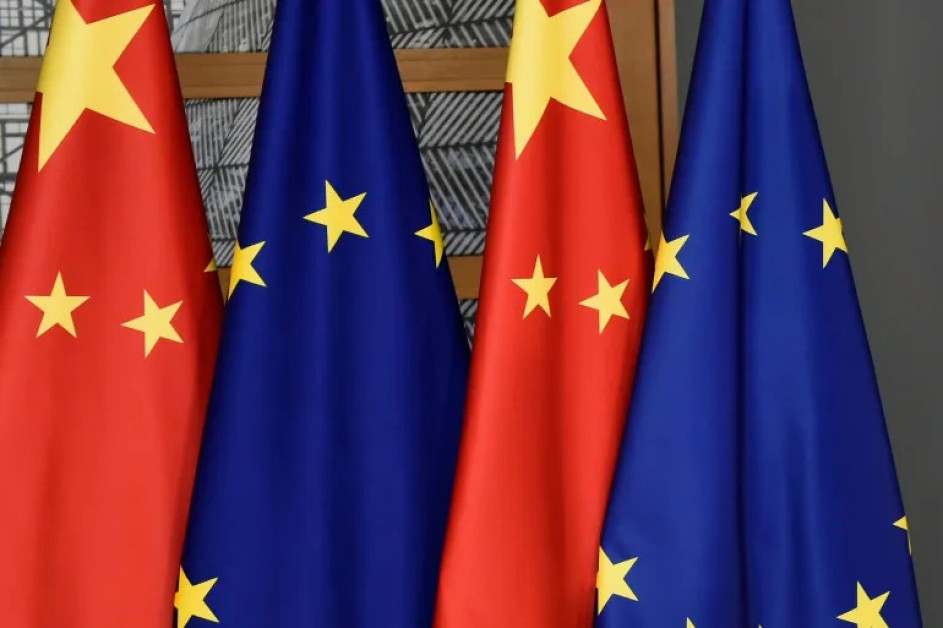
China unveiled a new white paper on global governance on June 17, 2026, outlining its vision for a more balanced and representative international system as geopolitical tensions, economic uncertainty, and global security challenges continue to reshape international relations.
The document, titled "More Just and Equitable Global Governance: China's Principles, Proposals and Actions," was released in Beijing and presents China's proposals for reforming international institutions, strengthening multilateral cooperation, and expanding the role of developing countries in global decision-making.
Speaking at a press briefing in the Chinese capital on June 17, Chinese Foreign Minister Wang Yi said the world was undergoing profound changes and that global governance frameworks must evolve to reflect new realities.
"The international community faces unprecedented challenges that require collective solutions," Wang said. "Global governance should become more just, more equitable, and more representative of all nations."
The white paper argues that institutions established after World War II, including key international financial and political organizations, should adapt to today's changing global landscape. Chinese officials say emerging economies and developing countries deserve a greater voice in shaping international rules and policies.
The release of the document on June 17 comes as China seeks to expand its influence in international affairs and promote what it describes as a more inclusive, United Nations-centered approach to global governance.
China Global Governance White Paper Sets Out Reform Agenda
The white paper argues that many international institutions were established in a different era and no longer adequately represent today's global economic and political landscape.
According to the document, developing nations account for the majority of the world's population yet remain underrepresented in key international organizations.
China is calling for reforms that would give emerging economies and countries from the Global South a greater voice in institutions such as the United Nations, the International Monetary Fund, and the World Bank.
Rather than replacing the existing international system, Beijing says it wants to improve it by making decision-making processes more inclusive and representative.
Focus on the United Nations and Multilateral Cooperation
A central theme of the white paper is support for a United Nations-centered international order.
China argues that major global challenges, including conflicts, climate change, economic instability, and technological governance, require collective solutions rather than unilateral actions.
The document emphasizes respect for international law, dialogue between nations, and stronger multilateral institutions.
Chinese officials say these principles are essential for maintaining stability in an increasingly complex global environment.
Growing Support for the Global South
The white paper places significant emphasis on the role of developing countries, often referred to collectively as the Global South.
China has increasingly positioned itself as a leading advocate for these nations, arguing that global governance structures should better reflect contemporary realities.
Analysts note that this approach aligns with Beijing's broader diplomatic strategy, which includes strengthening ties with countries across Africa, Asia, Latin America, and the Middle East.
The document also highlights the need for greater cooperation on development, infrastructure, technology transfer, and economic growth.
Why the White Paper Matters
The release of the white paper comes as competition between major powers continues to shape international politics.
Over the past decade, China has expanded its influence through initiatives such as the Belt and Road Initiative and has become more active in global institutions.
Experts say the new document provides one of the clearest explanations yet of how Beijing sees the future of international governance.
"This is not simply a policy statement," said one international relations analyst. "It is a vision for how China believes global institutions should evolve in the coming decades."
The paper also reflects China's growing confidence as a global actor and its desire to play a larger role in setting international norms and standards.
Reactions From Around the World
Supporters of China's proposals argue that reforms are needed to ensure international institutions better reflect the realities of the 21st century.
Many developing nations have long called for greater representation in global financial and political organizations.
However, some Western governments and analysts remain cautious, questioning whether China's vision could shift international norms in ways that reduce the influence of liberal democratic values.
As debate continues, the white paper is expected to become an important reference point in discussions about the future of global governance.
The Bigger Picture
China's latest governance blueprint arrives at a moment when the international system faces multiple challenges, from geopolitical conflicts and economic uncertainty to rapid technological change.
By presenting a comprehensive framework for reform, Beijing is signaling that it intends not only to participate in global governance but also to help shape its future direction.
Whether China's proposals gain broad international support remains uncertain. However, the release of this white paper underscores Beijing's ambition to play a leading role in defining how global institutions evolve in the years ahead.
FAQ
What is China's new global governance white paper?
It is a policy document outlining China's vision for a more equitable international governance system, emphasizing multilateralism, UN-centered cooperation, and greater representation for developing countries.
Why did China release the white paper?
China says the current global governance system does not adequately reflect modern realities and that reforms are needed to make international institutions more representative and effective.
What is the Global South?
The Global South generally refers to developing and emerging economies across Asia, Africa, Latin America, and parts of the Middle East that seek greater influence in global affairs.
Does China want to replace the current international order?
According to the white paper, China advocates reforming and improving existing institutions rather than replacing them entirely.
Why is the white paper important?
The document provides insight into China's long-term foreign policy goals and its vision for the future structure of global governance.
Stay Ahead of the News
Before Everyone Else
Major stories break every hour. Join our news community and receive instant alerts, viral headlines, and important updates the moment they happen.